
How to Plan a Cycling Safari in Uganda: The Complete Travel Guide
Discover Uganda on two wheels: Explore scenic countryside, traditional villages, spectacular national parks, wildlife, waterfalls and the welcoming communities that make Uganda one of East Africa’s most rewarding destinations for adventure travel.
Uganda is famous for its mountain gorillas, chimpanzees, savannah wildlife and beautiful landscapes. But there is another way to discover the Pearl of Africa: by bicycle.
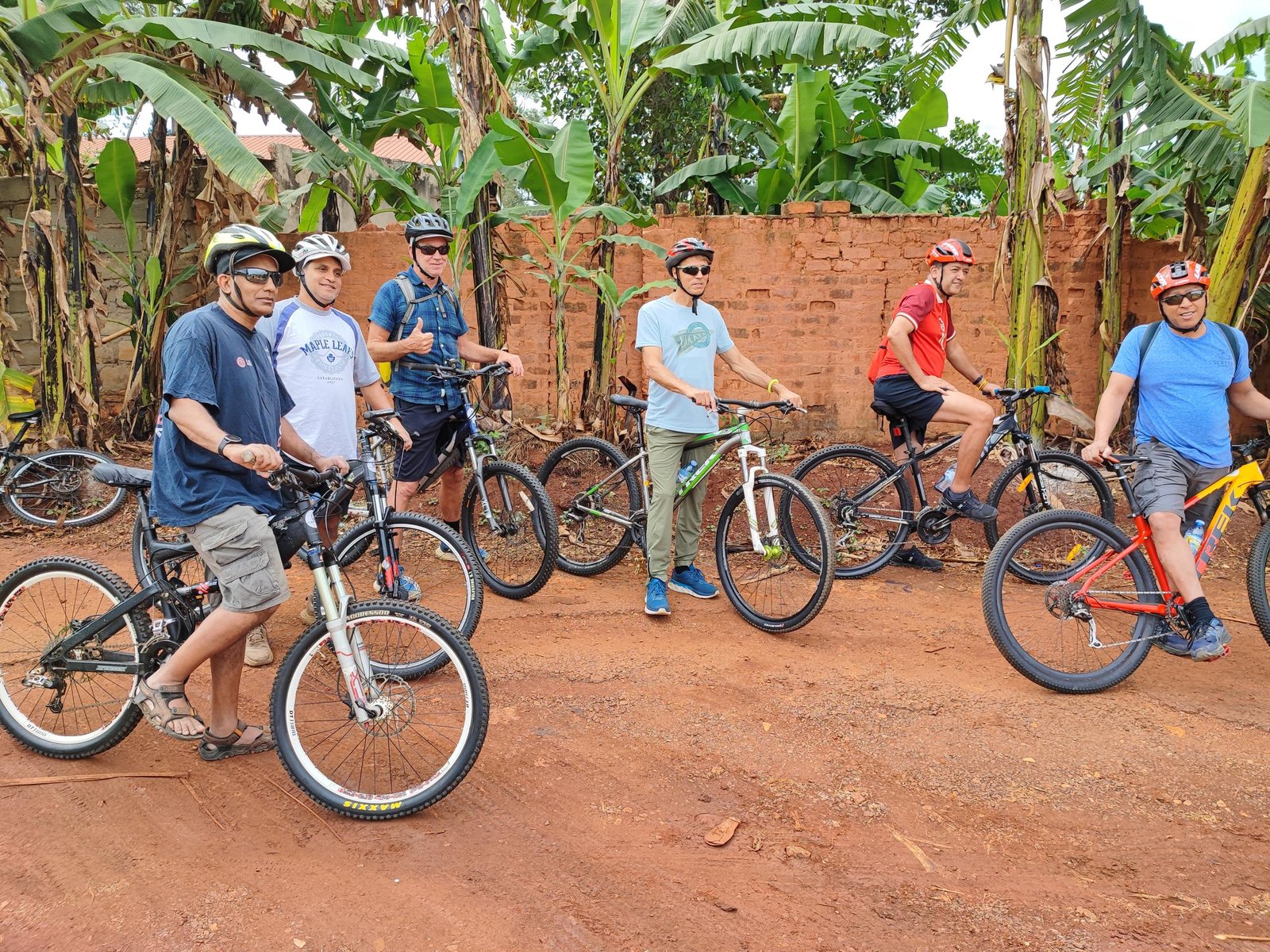
A cycling safari allows you to experience Uganda at a slower pace. Instead of simply driving between destinations, you can pedal through rural communities, ride past farms and plantations, enjoy views of rolling hills and stop to meet local people along the way.
At Jinja Bike Tours & Safaris Uganda, we combine cycling adventures with wildlife experiences, cultural encounters and opportunities to discover the real Uganda. Whether you are an experienced cyclist or an adventurous traveller looking for something different, this guide will help you plan an unforgettable cycling safari.
1. What Is a Cycling Safari in Uganda?
A cycling safari combines guided bicycle rides with traditional safari experiences and cultural activities.
Depending on your itinerary, you might cycle along quiet countryside roads, explore local villages, ride around scenic crater lakes or experience selected cycling routes in wildlife areas where cycling is permitted and appropriate.
You can also combine cycling with activities such as:
- Wildlife game drives in Uganda's national parks.
- Boat cruises along the Nile or Kazinga Channel.
- Chimpanzee tracking in Kibale Forest.
- Gorilla trekking in Bwindi Impenetrable National Park.
- Village walks and cultural experiences.
- Waterfall visits and nature walks.
- Coffee tours and visits to local farms.
The beauty of a cycling safari is its flexibility. You can plan a short adventure around Jinja or choose a multi-day expedition that explores several regions of Uganda.
2. Why Choose Uganda for a Cycling Safari?
Uganda offers a wonderful combination of landscapes, wildlife, culture and adventure.
Diverse scenery
From the shores of Lake Victoria to the source of the Nile in Jinja, the rolling hills of western Uganda and the dramatic landscapes around Sipi Falls, the scenery changes throughout the journey.
Authentic cultural experiences
Cycling through rural communities provides opportunities to learn about everyday life in Uganda. Depending on the route, you may see local markets, banana plantations, sugar cane fields, traditional homes and community projects.
With a knowledgeable local guide, these encounters become opportunities to understand the people and traditions behind the landscapes.
Wildlife and nature
Uganda is home to elephants, giraffes, zebras, buffaloes, antelopes, chimpanzees, mountain gorillas and an impressive variety of birds.
A well-planned itinerary can combine cycling with vehicle-based game drives, boat cruises and guided nature activities. Cycling inside protected wildlife areas must follow the relevant park rules and operator guidance.
Adventures for different fitness levels
You do not have to be a professional cyclist to enjoy a cycling safari. Routes can be selected according to your fitness, experience, available time and interests.
Some travellers prefer relaxed village rides, while others enjoy longer distances, challenging climbs and multi-day expeditions.
3. When Is the Best Time for a Cycling Safari in Uganda?
Uganda can be visited throughout the year, but weather conditions affect cycling surfaces, road access and comfort.
June to September
This is generally one of the main dry periods. Many routes are more comfortable to ride, although rain can still occur, particularly in forested and mountainous areas.
December to February
The shorter dry season is another popular period for outdoor adventures. It can be suitable for countryside cycling, wildlife viewing and combining rides with other safari activities.
March to May and October to November
These periods generally bring more rainfall in many parts of Uganda. Some dirt roads can become muddy or slippery, and certain journeys may take longer.
However, the countryside is often lush and green, and the experience can be rewarding for travellers who are prepared for changing conditions.
Our advice: Choose your travel dates according to your preferred route, fitness level and activities. If your trip includes gorilla trekking or other permit-based activities, arrange those in advance and allow flexibility for weather-related changes.
4. Choose the Right Cycling Route
The best route depends on how much time you have and what you want to experience.
Jinja and the Nile region
Jinja is an excellent starting point for travellers who want to combine cycling with nature, culture and adventure.
Possible experiences include:
- Guided Jinja village cycling tours.
- Exploring local communities and countryside.
- Discovering the Nile region and its landscapes.
- Visiting local farms and plantations.
- Combining a bike ride with a boat excursion or other activities.
A short Jinja cycling experience is a good introduction for travellers who want an adventure without committing to a long-distance expedition.
Explore our bike tours in Jinja.
Mabira Forest and surrounding communities
The Mabira Forest region offers opportunities to combine nature experiences with cycling on suitable surrounding routes. Your itinerary can include rural scenery and community encounters.
The precise route should be selected according to current trail conditions, access permissions and your cycling experience.
Sipi Falls and Mount Elgon
Eastern Uganda offers dramatic scenery, mountain views, waterfalls and rural landscapes. A cycling adventure around Sipi can combine riding with waterfall walks, coffee experiences and visits to local communities.
Expect some hills and changing terrain. A suitable bicycle, appropriate pacing and a realistic daily distance are important.
Lake Mburo and western Uganda
Lake Mburo is known for its savannah landscapes and wildlife. Depending on the arrangements and permitted routes, cycling can be combined with wildlife viewing and other safari activities.
Do not assume that every park road is open to bicycles. Confirm the authorised cycling areas and safety requirements before travelling.
Queen Elizabeth, Kibale and Bwindi
For travellers with more time, western Uganda offers opportunities to combine cycling through suitable countryside routes with wildlife safaris, chimpanzee tracking and gorilla trekking.
This type of expedition requires careful planning because distances, elevation changes, road conditions and activity schedules vary considerably.
Discover our Uganda bike safaris.
5. How Many Days Do You Need?
The length of your cycling safari depends on your budget, available time, fitness and the destinations you want to visit.
A 1–2 day cycling adventure: Ideal for travellers staying in Jinja who want a guided ride, village encounters and local sightseeing.
A 3–5 day cycling safari: Suitable for exploring a particular region, such as eastern Uganda, while including other nature and cultural experiences.
A 7–10 day cycling safari: Allows more time for longer rides, regional transfers and a combination of cycling and selected safari activities.
A 14-day or longer expedition: Best for travellers who want to explore multiple regions and combine cycling with major wildlife destinations, cultural experiences and time to appreciate Uganda's changing landscapes.
These are planning guidelines rather than fixed packages. Your actual itinerary should account for riding distances, road conditions, rest days and transfers between destinations.
6. What Level of Fitness Do You Need?
One of the most important steps is choosing a cycling itinerary that matches your ability.
Before booking, consider:
- How regularly you cycle.
- The longest distance you comfortably ride.
- Your experience with hills and uneven surfaces.
- Whether you prefer leisurely rides or challenging stages.
- How many consecutive days you want to cycle.
If you are a beginner, start with shorter rides and allow plenty of time for breaks. Experienced cyclists may prefer longer routes and more elevation.
Remember that Uganda's countryside can be hilly, and a distance that seems easy on a map may be more demanding because of road surfaces, heat, wind or elevation.
A good operator should discuss your experience honestly and adapt the route where possible.
7. What Should You Pack for a Uganda Cycling Safari?
Packing the right equipment helps you stay comfortable and prepared.
Essential cycling equipment
- A suitable mountain bike or touring bicycle.
- A properly fitted helmet.
- Cycling gloves and comfortable riding clothing.
- Padded cycling shorts for longer rides.
- Water bottles or a hydration system.
- Sunglasses and sunscreen.
- A small daypack.
- Cycling shoes or comfortable closed shoes.
Clothing and personal items
- Lightweight, breathable clothing.
- A waterproof jacket.
- Warm layers for cool mornings and highland evenings.
- Comfortable walking shoes for nature walks.
- Insect repellent and personal medication.
- A headlamp or small torch.
- A reusable water bottle.
If you are travelling internationally, ask your tour operator whether bicycle hire, helmets, luggage transfers, a support vehicle and repair equipment are included.
At Jinja Bike Tours & Safaris Uganda, we can discuss suitable bicycle arrangements and the practical requirements of your chosen adventure before you travel.
8. Should You Bring Your Own Bike or Hire One?
Both options can work well.
Bringing your own bicycle may be ideal if you have a bike you know and trust. However, check your airline's bicycle transport requirements, baggage fees and packing rules before departure.
Hiring a bicycle in Uganda can simplify travel logistics and eliminate the need to transport your bike internationally. Confirm the bicycle type, frame size, condition, helmet availability and whether repairs or replacement arrangements are included.
For routes involving rough surfaces, hills or a mixture of road conditions, a suitable mountain bike may be preferable.
Before confirming a tour, make sure you understand what is included in the bicycle hire and what you need to bring yourself.
9. Safety Tips for Cycling in Uganda
A well-planned cycling safari should balance adventure with sensible safety measures.
- Ride with a knowledgeable guide. Local knowledge helps you choose suitable routes and understand road conditions.
- Wear a helmet. Ensure it fits correctly and is in good condition.
- Stay hydrated. Carry sufficient drinking water and take regular breaks.
- Check your bicycle. Inspect the brakes, tyres, gears and chain before setting off.
- Respect road users. Keep a predictable line, remain alert and follow your guide's instructions.
- Avoid rushing. Allow enough time for stops, photographs and changing conditions.
- Prepare for rain. Wet roads can become slippery, especially on dirt tracks and steep sections.
- Follow wildlife rules. Never approach or attempt to ride close to wild animals. Cycle in protected areas only where authorised and under the required guidance.
- Carry basic supplies. A first-aid kit, repair tools and emergency contact details are important.
- Use a realistic itinerary. Leave enough time for transfers, rest and any additional safari activities.
Before travelling, check the current conditions for your intended destinations and ensure your travel insurance covers the activities you plan to undertake.
10. Can You Combine a Cycling Safari with a Traditional Uganda Safari?
Absolutely. Combining cycling with other safari activities is one of the best ways to experience Uganda.
For example, a multi-day itinerary might include cycling through selected countryside routes, a wildlife game drive, a boat cruise, chimpanzee tracking and a gorilla trekking experience.
This approach allows you to enjoy the physical adventure of cycling while still experiencing wildlife and landscapes that are best explored on foot, by boat or in a safari vehicle.
The key is balance. An itinerary that includes too many long rides and activities can become exhausting. Plan realistic distances and allow enough time to enjoy each destination.
11. How Much Does a Cycling Safari in Uganda Cost?
There is no single price for every cycling safari. The cost depends on the length of the trip, group size, accommodation standard, bicycle arrangements, support vehicle, meals and included activities.
Other expenses may include park entry fees, permits, boat cruises, airport transfers and specialist guiding.
When comparing quotations, ask for a clear breakdown of:
- Bicycle hire and equipment.
- Guide fees and support vehicle.
- Accommodation and meals.
- Transfers and fuel.
- Park fees and activity permits.
- Airport transfers, where required.
- Any exclusions or additional expenses.
A lower headline price does not necessarily represent better value if important services are excluded.
For an accurate quotation, share your intended travel dates, group size, preferred destinations and accommodation level with your tour operator.
12. Why Travel with a Local Cycling Tour Operator?
Planning a cycling safari independently can be rewarding, but local support makes logistics easier, particularly on multi-day journeys.
A knowledgeable operator can help with route selection, bicycle arrangements, accommodation, transfers, activity bookings and adjustments when conditions change.
At Jinja Bike Tours & Safaris Uganda, we organise guided bike tours, bicycle hire, cycling safaris, wildlife adventures and cultural experiences.
Our local experience helps us connect visitors with Uganda's landscapes and communities while building an itinerary around their interests and abilities.
Our philosophy is “Adventure with a Purpose.” Through our wider community work, we believe travel can create meaningful connections between visitors and the people who call Uganda home.
13. How to Book Your Cycling Safari in Uganda
Planning your trip is straightforward.
Step 1: Choose your travel dates. Decide when you would like to visit Uganda and how much time you have.
Step 2: Tell us your interests. Let us know whether you prefer village cycling, scenic countryside, challenging rides, wildlife safaris or a combination.
Step 3: Share your cycling experience. This helps us recommend suitable distances and routes.
Step 4: Choose your accommodation and activities. Decide on your preferred comfort level and the experiences you would like to include.
Step 5: Request a personalised itinerary. Review the proposed route, inclusions, exclusions, price and booking conditions before confirming.
Start planning with Jinja Bike Tours & Safaris Uganda. We will help you explore the available options for your cycling adventure.
Frequently Asked Questions
Is Uganda suitable for beginner cyclists?
Yes. Beginners can enjoy shorter guided rides on suitable routes. The important thing is to choose a distance and terrain that match your fitness and experience.
Can I combine cycling with gorilla trekking?
Yes. A multi-day itinerary can combine cycling with gorilla trekking in Bwindi or Mgahinga, subject to permit availability and suitable travel arrangements.
Do I need to bring my own bicycle?
Not necessarily. Bicycle hire may be available, depending on your requirements and itinerary. Confirm the bike type, size, condition and included equipment before booking.
What is the best time for a cycling safari in Uganda?
The drier periods, generally June to September and December to February, are popular for outdoor adventures. Cycling is possible at other times, but rainfall can affect route conditions.
Are cycling safaris suitable for families?
Some routes are suitable for families with older children who can cycle confidently. The itinerary should be adapted to the participants' ages, experience and comfort, with appropriate safety arrangements.
Can I book a private cycling safari?
Private trips can offer greater flexibility over routes, riding pace, accommodation and activities. Contact your operator to confirm the available options for your dates.
Start Your Uganda Cycling Adventure
Uganda offers much more than a traditional safari. On a bicycle, you can discover its countryside, meet local communities, enjoy beautiful scenery and combine active travel with wildlife and cultural experiences.
Whether you are planning a short cycling tour in Jinja or a longer expedition across the Pearl of Africa, thoughtful planning will help you get the most from your journey.
Ready to explore Uganda on two wheels?
Contact Jinja Bike Tours & Safaris Uganda to discuss your dates, preferred routes and cycling experience.
Visit: https://jinjabiketoursandsafaris.org/
Jinja Bike Tours & Safaris Uganda — Adventure with a Purpose.
Comments
0 comments on this article.
Leave a Comment
Have a question or something to share? We'd love to hear from you.