

Is Uganda Safe to Visit in 2026? Latest Ebola Update and Travel Advice for Safari Visitors
Last updated: 14 October 2026 | By Jinja Bike Tours & Safaris Uganda
Are you planning a safari, cycling holiday or cultural adventure in Uganda but concerned about the recent Ebola outbreak? You are not alone. We understand that international travellers want reliable information before booking flights, accommodation and guided tours.
The good news is that Uganda's 2026 Ebola outbreak was officially declared over, and the World Health Organization (WHO) confirmed the end of the outbreak on 27 August 2026. However, the Ebola situation in the neighbouring Democratic Republic of the Congo (DRC) remains a regional public health concern. On 8 October, WHO reported an imported case in Kenya involving a traveller who had passed through Uganda, prompting public health response measures and contact tracing in both countries.
This means travellers should not panic, but they should stay informed and follow official health advice.
At Jinja Bike Tours & Safaris Uganda, we welcome travellers who wish to discover Uganda's beautiful landscapes, wildlife, welcoming communities and extraordinary cultural heritage. We are committed to helping our guests plan their journeys responsibly, with appropriate precautions and up-to-date travel information.
1. What is the current Ebola situation in Uganda?
Uganda experienced an outbreak of Ebola disease caused by the Bundibugyo virus in May 2026. The outbreak was linked to imported infections from the Democratic Republic of the Congo.
Uganda's Ministry of Health announced that the country was Ebola-free on 28 July 2026. Following an additional 42-day period without a new confirmed case, WHO and Africa CDC welcomed the official end of the outbreak on 27 August 2026.
These milestones demonstrated the effectiveness of Uganda's outbreak response, including case detection, contact tracing, isolation, treatment and public health surveillance.
Nevertheless, the regional situation requires continued attention. WHO reported on 8 October 2026 that an infected traveller had travelled through Uganda before reaching Kenya, where the case was confirmed. Authorities initiated contact tracing and other public health measures.
What does this mean for visitors?
- Uganda's earlier Ebola outbreak has been officially declared over.
- The latest reported regional incident does not, by itself, mean that a new widespread outbreak has begun in Uganda.
- Health authorities continue to monitor the situation and investigate potential exposures.
- Travellers should check the latest guidance from Uganda's Ministry of Health, WHO and their own country's travel advisory before departure.
For official updates, visit the Uganda Ministry of Health and the World Health Organization.
2. Is it safe to book a safari in Uganda?
Uganda remains a remarkable destination for nature, adventure and cultural tourism. The end of the country's earlier outbreak is encouraging news for the tourism sector, and visitors can continue planning their trips while taking account of current official guidance.
However, no responsible tour operator should promise that any destination is completely risk-free. The appropriate precautions depend on the latest health information, your itinerary and any applicable travel requirements.
At Jinja Bike Tours & Safaris Uganda, we help guests plan trips around their interests, available time and travel arrangements. Before departure, we encourage every traveller to review relevant advisories, confirm airline and transit requirements, and discuss any health-related concerns with a qualified travel-health professional.
If you are considering travelling to Uganda, you do not need to abandon your dream of experiencing the country simply because you have heard news about Ebola. Instead, make an informed decision using current, reliable information.
3. Why choose Uganda for your next adventure?
Uganda offers much more than wildlife safaris. It combines tropical forests, lakes, mountains, rural communities and opportunities to experience local life.
With Jinja Bike Tours & Safaris Uganda, you can explore the country through experiences such as:
Cycling and bike safaris
Discover rural roads, village trails, plantations and scenic landscapes with local guides who understand the terrain and communities.
Murchison Falls National Park
Experience dramatic waterfalls, wildlife viewing, game drives and boat cruises along the Nile.
Gorilla and chimpanzee experiences
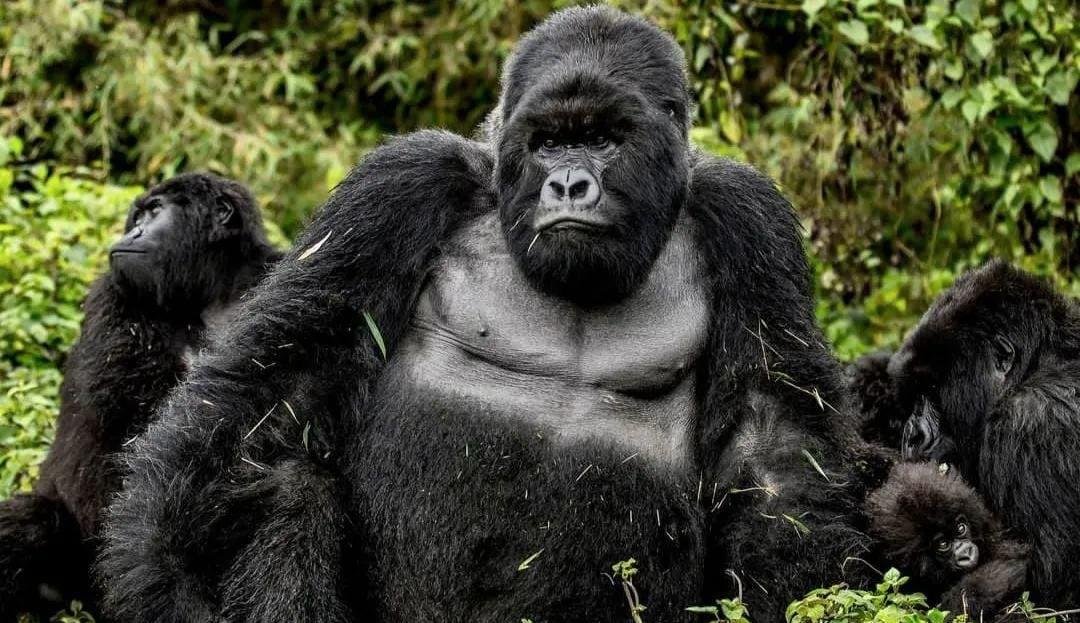
Discover Uganda's remarkable primates through appropriately arranged, authorised trekking experiences, subject to permit availability and current park guidance.
Jinja and the River Nile
Explore Jinja's history, local communities, riverside scenery and adventure activities in the region widely associated with the source of the Nile.
Sipi Falls and eastern Uganda
Enjoy scenic cycling, waterfall walks, coffee experiences and views of the Mount Elgon region.
Cultural and community experiences
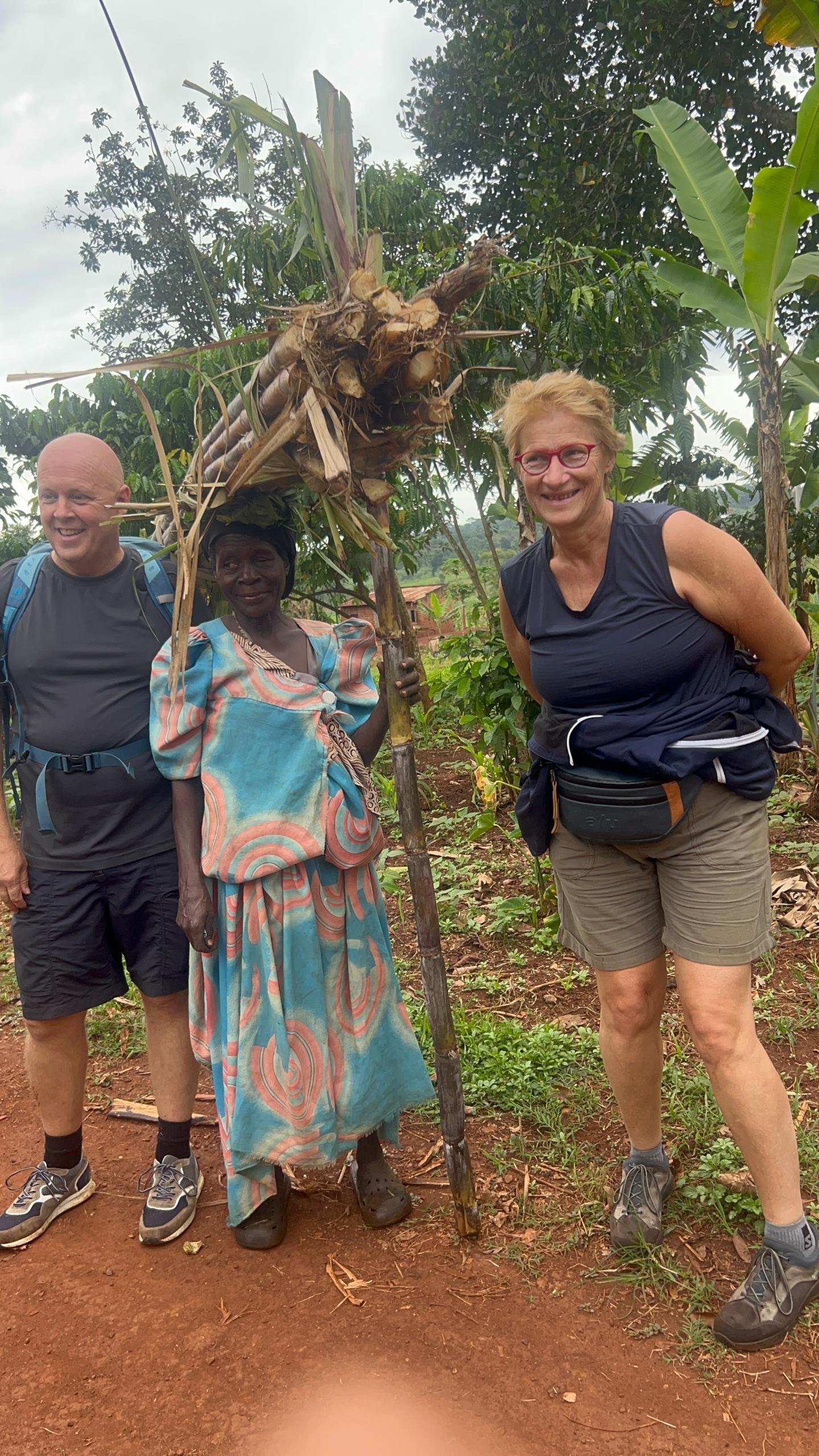
Meet local communities, learn about traditional livelihoods and discover Uganda beyond the usual tourist routes.
We can help you arrange a day trip, a cycling holiday or a tailor-made multi-day safari, depending on your schedule and interests.
4. Important Ebola precautions for international travellers
Ebola is a serious disease, but understanding how it spreads helps travellers take sensible precautions.
According to WHO, Ebola can spread through direct contact with the blood or other bodily fluids of an infected person, contaminated materials, or certain infected animals. People infected with the virus are not considered infectious before symptoms begin.
Here are practical precautions to follow during your visit.
Practise good hand hygiene
Wash your hands regularly with soap and clean water, particularly before eating and after using public facilities. Alcohol-based hand sanitiser can be useful when soap and water are unavailable.
Avoid contact with bodily fluids
Do not touch blood, vomit, other bodily fluids or contaminated items belonging to someone who may be infected. Avoid providing direct physical care to a suspected Ebola patient unless you are appropriately trained and protected.
Avoid handling sick or dead wildlife
Do not handle animals found dead or visibly ill. Avoid touching bats, non-human primates or other wildlife, and do not handle or consume bushmeat from uncertain sources.
Follow local health instructions
Cooperate with any screening, health declarations, contact-tracing procedures or other public health measures required by the authorities. Follow instructions issued by health officials and your tour guide.
Seek medical advice if you become unwell
Fever, headache, muscle pain and fatigue can occur with many illnesses, including malaria, and do not automatically mean Ebola. However, if you develop compatible symptoms after a possible exposure or contact with a suspected case, seek urgent medical advice and tell health professionals about your travel and exposure history. Contact a health service before arriving in person so that appropriate precautions can be arranged.
Check your onward travel requirements
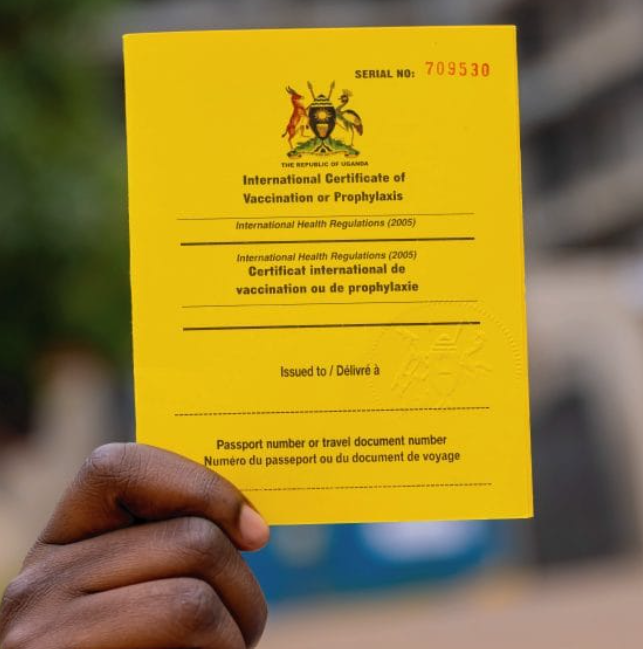
Some countries may apply additional screening or entry requirements to travellers arriving from countries affected by Ebola. Confirm the latest rules with your airline, transit countries and final destination before travelling home.
For further information, read the WHO Ebola disease information and your government's official travel advice.
5. How we approach responsible safari planning
At Jinja Bike Tours & Safaris Uganda, your experience matters to us. We want our guests to enjoy Uganda while making informed decisions about their health and safety.
When arranging your trip, we can help you:
- Plan your itinerary around your preferred destinations and travel dates.
- Organise guided bike tours, cycling holidays and wildlife safaris.
- Arrange transport, accommodation and selected activities as agreed in your itinerary.
- Stay informed about relevant official travel guidance and any applicable restrictions.
- Adapt travel arrangements when circumstances or official instructions require a change.
We encourage guests to maintain normal hygiene practices, follow guidance from health authorities and communicate any relevant travel concerns before the trip begins.
Public health conditions can change, so we will continue to monitor official information relevant to our operations and advise guests to check for updates before departure.
6. Ready to plan your Uganda safari?
Uganda offers extraordinary experiences for travellers who love adventure, nature, wildlife and authentic cultural encounters. The official end of the 2026 Ebola outbreak in Uganda was an important milestone, and the country's tourism experiences remain worth considering while staying informed about regional developments.
Whether you are travelling alone, as a couple, with friends or as part of a group, Jinja Bike Tours & Safaris Uganda can help you plan an adventure suited to your interests, budget and available time.
Explore our website to discover our bike tours, bike safaris and wildlife safari options.
Book your next Uganda adventure:
- Website: https://jinjabiketoursandsafaris.org/
- Online booking: https://jinjabiketoursandsafaris.org/booking.php
- WhatsApp: +256 760 997 120
Contact us with your preferred travel dates, number of travellers, destinations and approximate trip duration. We will be happy to discuss a suitable itinerary and provide a quotation.
Jinja Bike Tours & Safaris Uganda — Adventure with a Purpose.
Travel responsibly, explore confidently and discover the beauty of Uganda.
Official health information and references
For the latest information, consult these authoritative sources:
- Uganda Ministry of Health — Uganda officially Ebola-free, 28 July 2026
- WHO Africa — Uganda's Ebola outbreak officially ended, 27 August 2026
- WHO — Ebola situation update, 8 October 2026
- WHO — Ebola disease information
Health and travel information in this article reflects official information available as of 14 October 2026. Public health conditions and travel requirements can change. This article is for general travel information and does not replace official government advice or professional medical guidance.
Comments
0 comments on this article.
Leave a Comment
Have a question or something to share? We'd love to hear from you.